I’m getting to the point in life where I have “indelible memories.” You know, the memories that have managed to stick around.
One indelible memory I have is Hoonah, Alaska. Hoonah is primarily a Native Alaskan village and a long ferry ride from Juneau, the State Capital. I visited Hoonah about thirty years ago while working for a consulting firm. As part of my assignment, I visited a religious cult just outside of Hoonah. A real, Bonafide, stone cold religious cult. Its name was Game Creek. Or more colloquially, “The Farm.” There were no Native people living in Game Creek as near as I could tell.
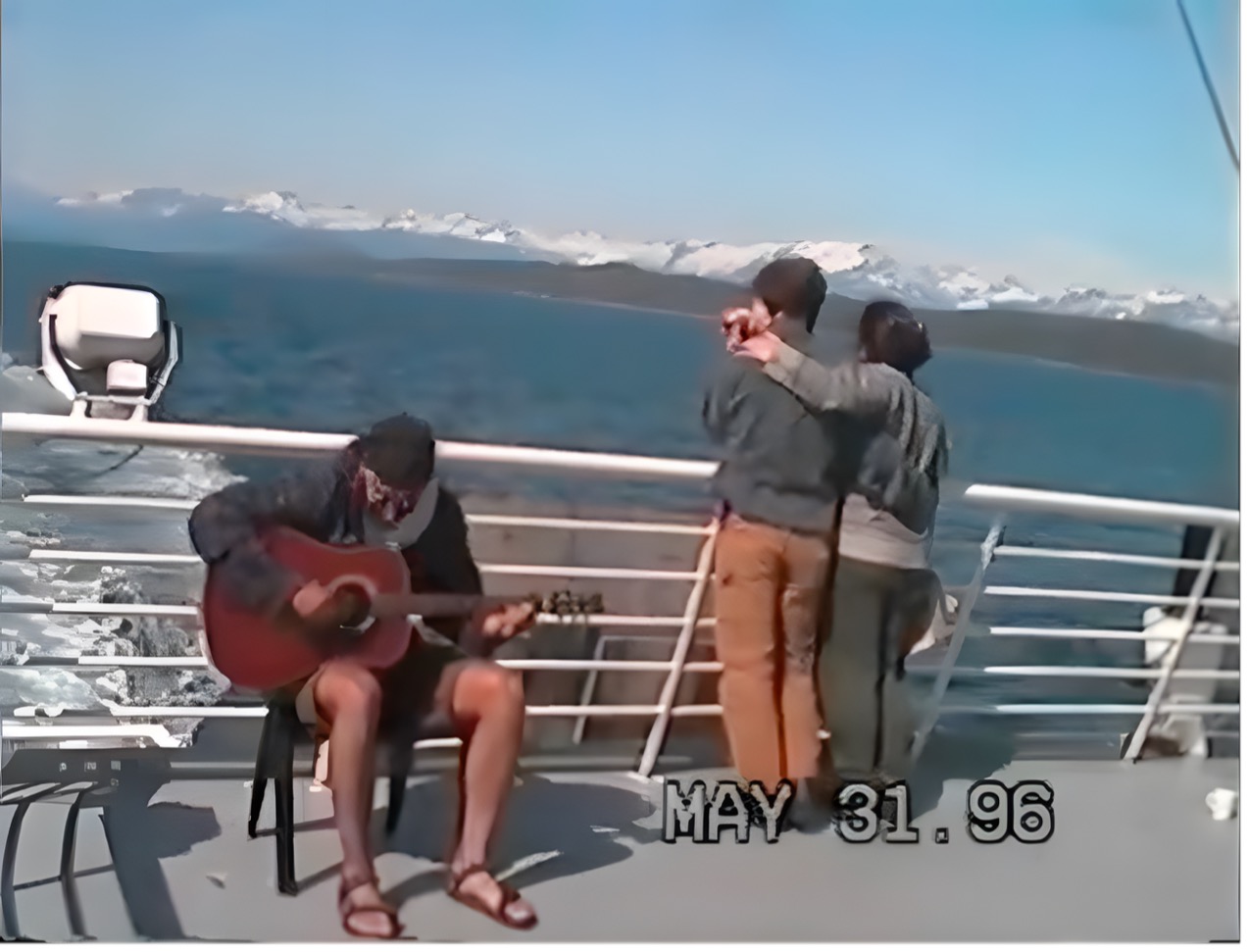
Guy playing guitar on way to Hoonah and The Farm
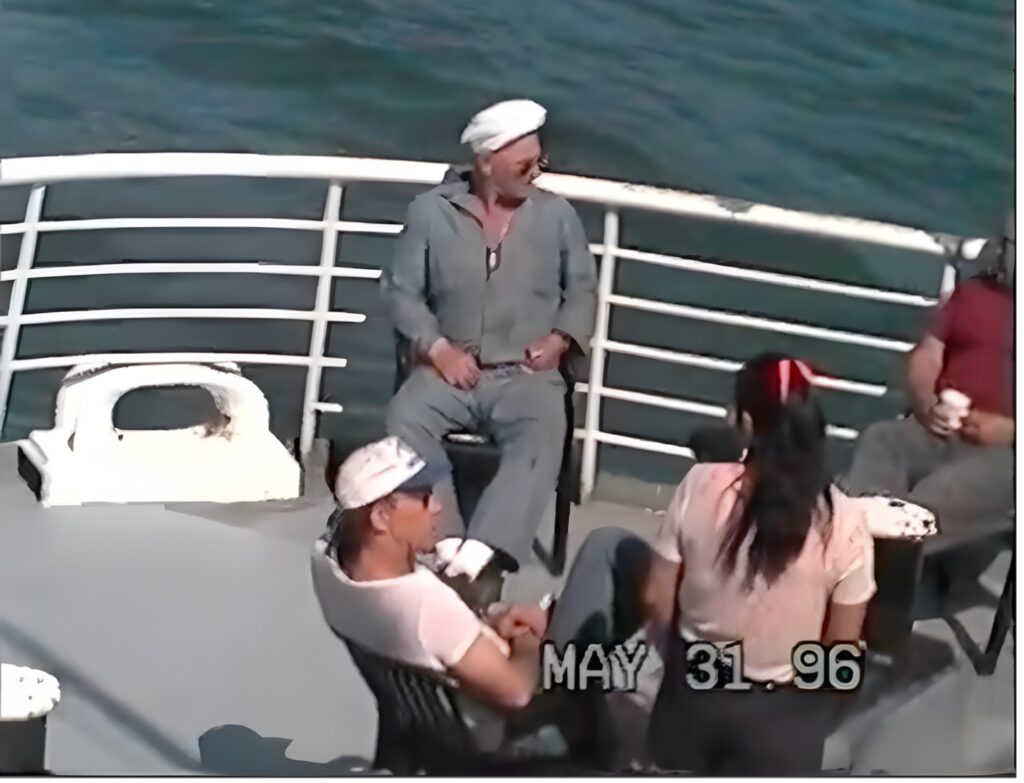
Travelers socializing on the ferry to Hoonah and The Farm.
The Alaska State ferry runs regularly to Hoonah from Juneau and takes about 4 hours to get there depending on weather. Once in Hoonah, you drive out of town for a way, park and start walking on a little used trail through the woods and muskeg. There’s a creek crossing where the community has left hip waders and floats to get across.
Bob Pinard donning waders to cross creek on our way to The Farm.
Going to Game Creek is not like climbing Rainier, but it’s a chore by design. There’s enough distance between you and the road that you feel a separation. It’s a physical separation to be sure, but also a spiritual one. The message is clear. The outside world is not for Game Creek believers.
Believers of what? You might ask.
End times. It was during the turbulent 1960s when a man by the name of Sam Fife emerged from the obscurity of being a Baptist preacher to being a charismatic “end times” evangelist. End times, of course being a catch-all term for the tumult that will result with the return of Jesus to our earthly domain. According to Sam Fife and others, drawing from the Book of Revelation, it’s those harrowing days leading up to the return of Jesus that we need to be worried about. During that period, there will be wholesale collapse of civilization, which means the internet will be down. No Youtube. No Tiktok. People will have nothing to do but go after each other.
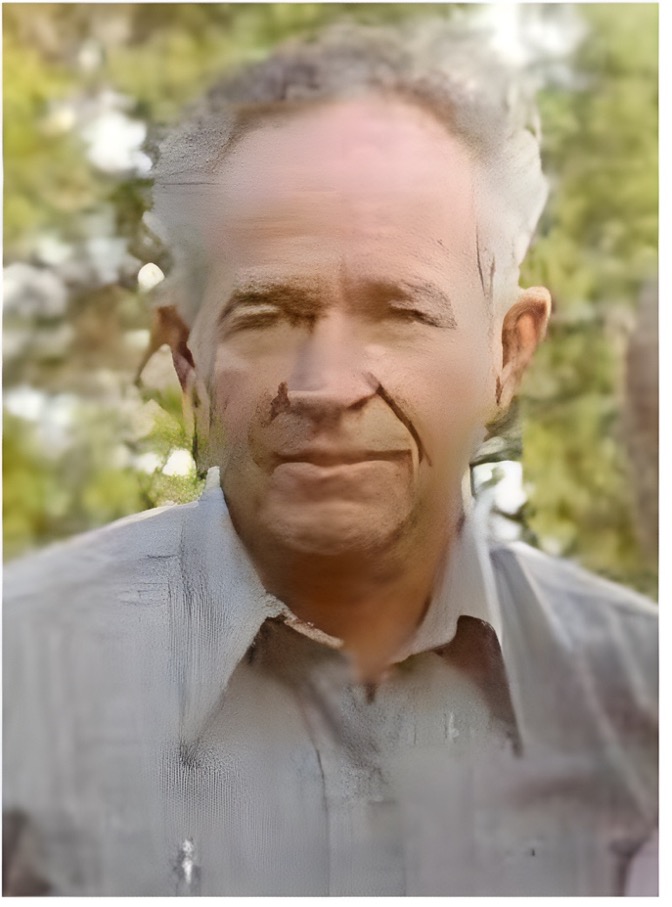
Sam Fife
Fife developed a huge following and decided on the need for places where believers could settle down, be self-sufficient, then wait for all hell to break loose. He preferred the wilderness to build his self-sufficient, farming communities.
One of those places was Game Creek, Alaska. But there were others in British Columbia and South America.
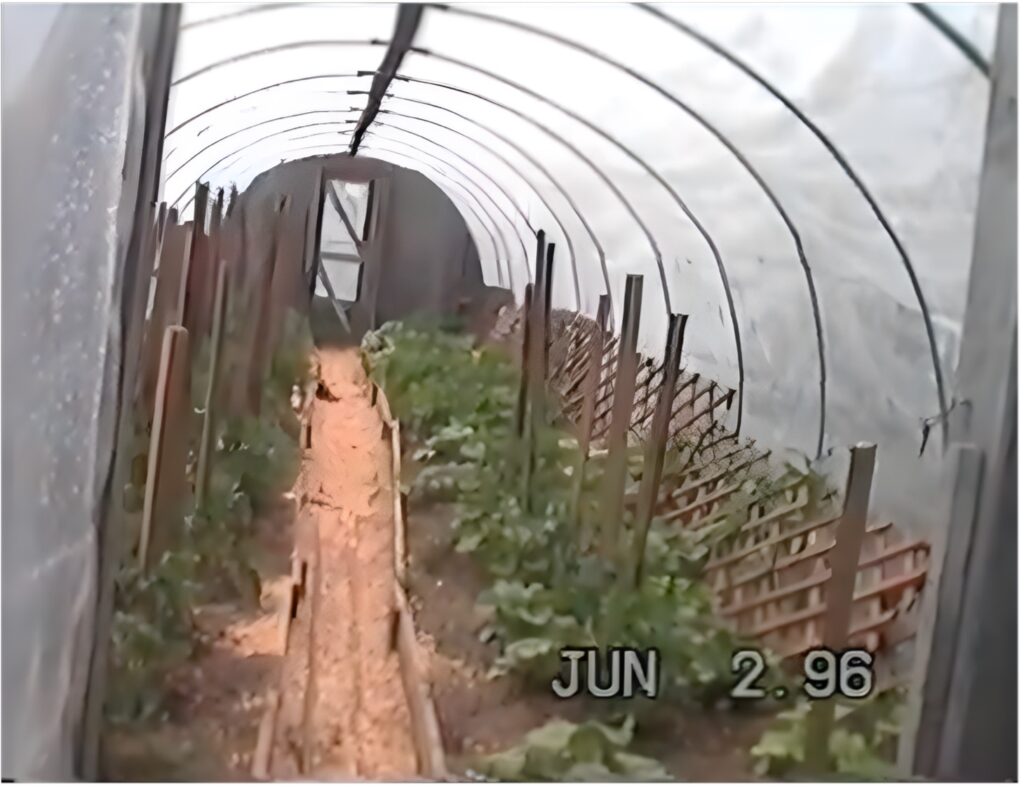
One of many greenhouses at The Farm
I was ushered around Game Creek and The Farm by Robert Pinard, the Hoonah’s City Manager at the time.
The Farm is connected by boardwalks that keep the inhabitants of The Farm off the soggy ground. The homes look conventional enough, but there’s no indoor plumbing. No flush toilets. Some of the homes are leaning ever so slightly, sinking slowly into the muskeg. Muskeg is a uniquely Alaskan form of wetlands.
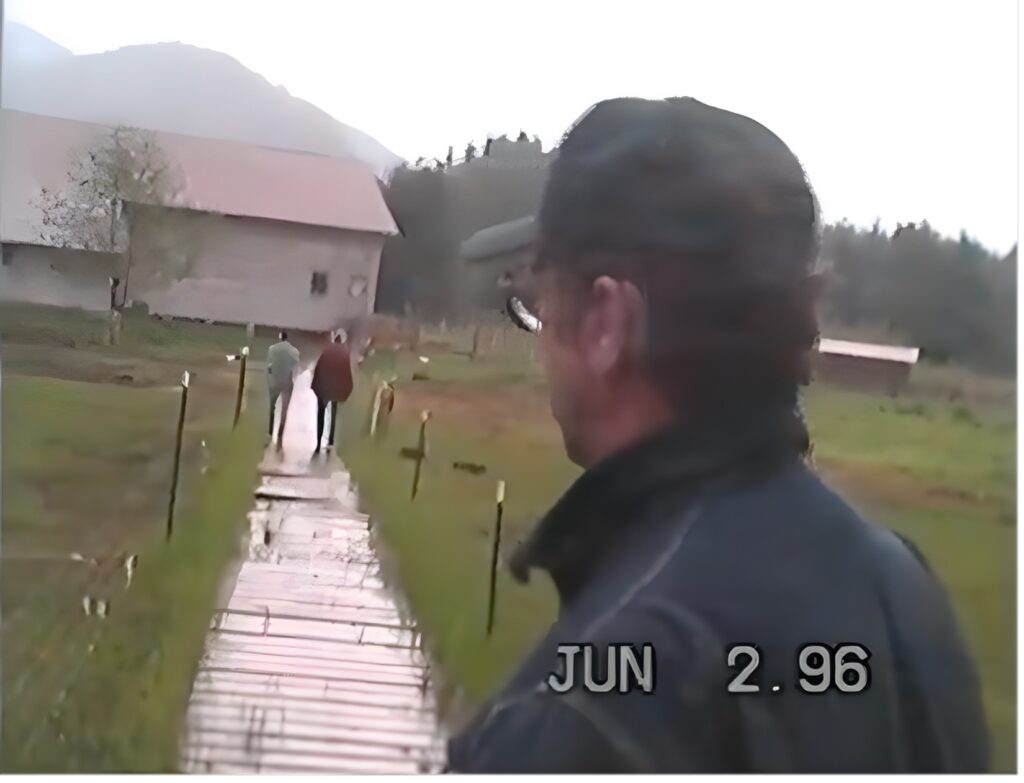
Boardwalk leading to barn at The Farm
I witnessed a rather large farm, complete with barn animals and a magnificent garden and greenhouse. Farming is tough in Alaska. The growing season is short, and the ground is super wet for most of the year, which is not good for animals or crops.
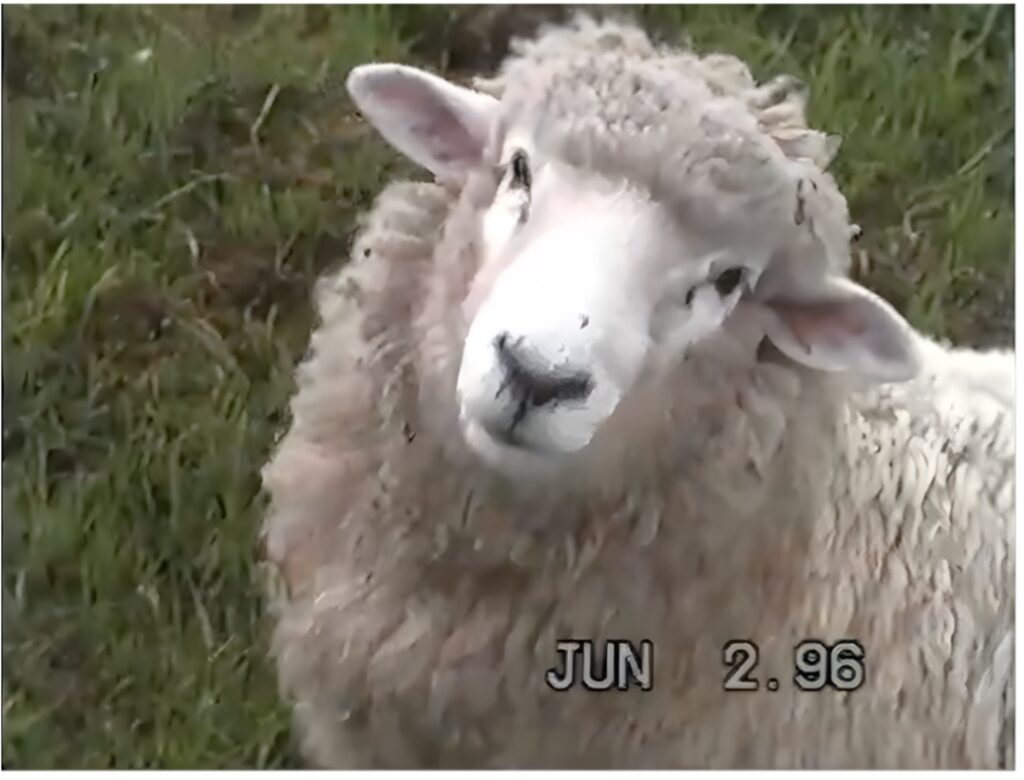
One of many animals at The Farm
On April 26, 1979, at the age of 54, Sam Fife died with three of his followers in a plane crash in Guatemala. However, leaders in the movement stayed the course and many of the original communes survive to this day but with far fewer members.
There are several social media platforms where members discuss growing up in these communities. Some go as far as to call them cults, which after reading their experiences seems entirely appropriate. There is at least one documentary detailing one sister’s attempt to “rescue” her brother from The Farm at Game Creek. And there is at least one book describing the experience of living there, written by a former member.
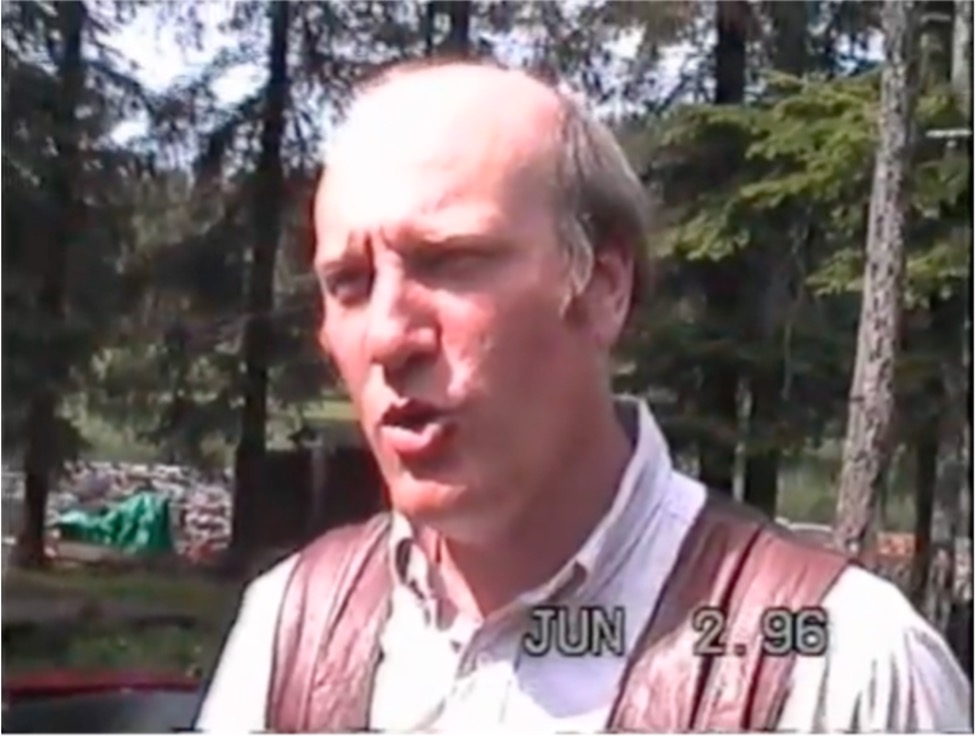
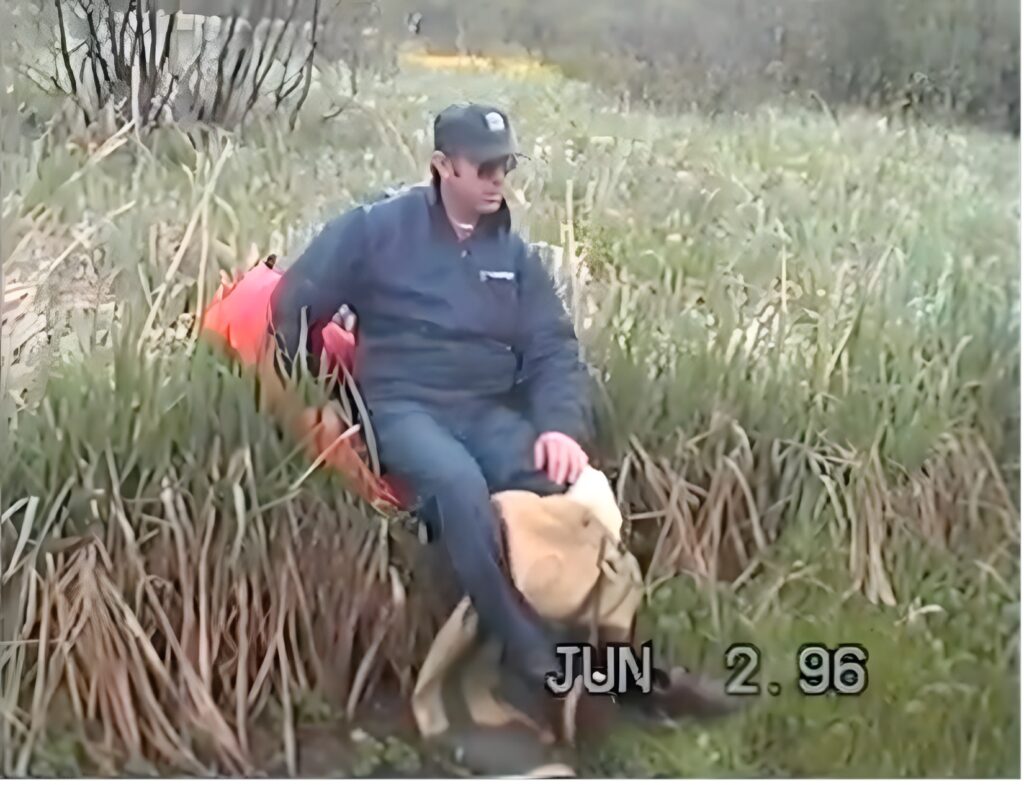
A member of The Farm at Game Creek in 1996
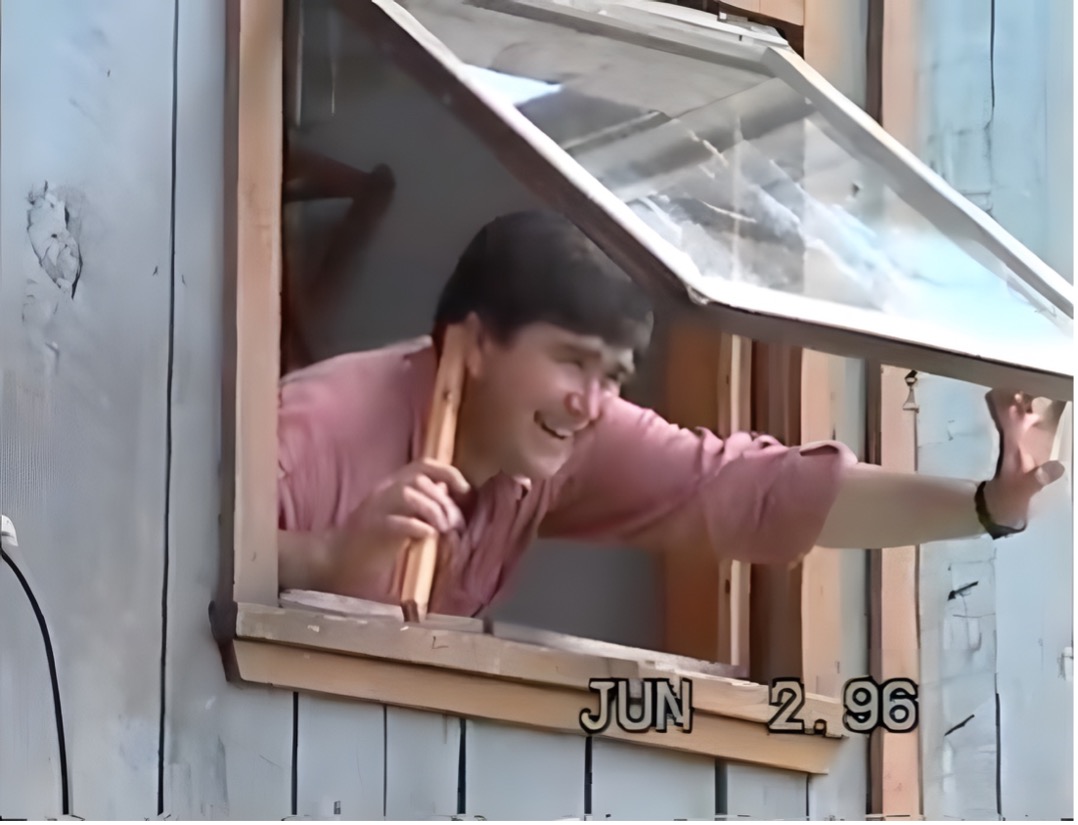
A member of the Farm at Game Creek
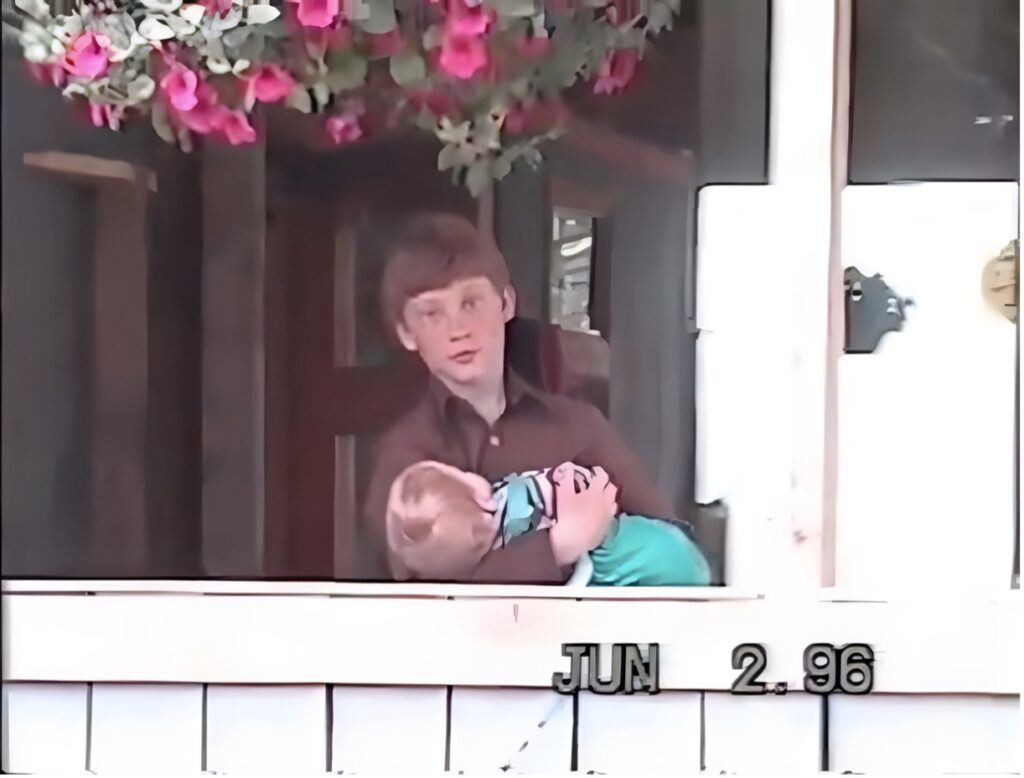
A boy holds a baby at the Farm at Game Creek